

Skip to content

Care for helping professionals and the organizations they serve.Care for those who care.

Client Portal

Speaking & professional events

Speaking that brings care into the conversation.

For professional gatherings, helping organizations, and the people behind the work. Explore speaking with Adriana, founder of Selfly, around care, boundaries, and well-being.

Inquire about speaking
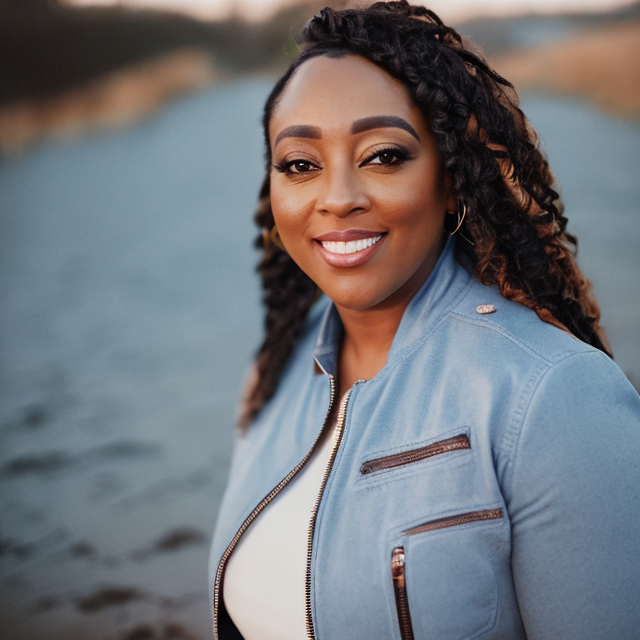
Adriana, founder of Selfly

Find your conversation

A meaningful topic starts with your audience.

Explore these possible speaking directions. Final topics, learning objectives, and session materials are shaped and confirmed through the event brief.

The person behind the helping role Caring work, personal capacity, and making room for yourself.
Potential audience
Helping professionals and professional associations.
A possible focus
The expectations people carry in a helping role; the space available to notice their own needs; and the support they want around them.

A question to carry forward

What do I need to keep in view, alongside the people I care for?

Explore burnout resources
Boundaries that make room for care Everyday expectations, overgiving, and thoughtful limits.
Potential audience
Teams and event audiences exploring boundaries in work and life.
A possible focus
Situations where expectations and capacity meet, the language people use to communicate a limit, and what support makes that conversation possible.

A question to carry forward

Where would a clearer expectation or a more honest conversation be useful?

Explore boundaries resources
Well-being is a shared conversation The relationship between personal needs and the conditions of work.
Potential audience
Team leaders and organizations that support helping professionals.
A possible focus
What belongs to an individual, a team, and its leaders; the everyday conditions people want to discuss; and a realistic next conversation after the event.

A question to carry forward

What can our team or organization help make possible?

Explore workplace resources

Ways to gather

Match the format to the moment.

A shared idea for a larger audience. More room for participation. Or a conversation shaped around the people in the room. Explore what each direction could offer your event.

A focused talk

One audience. A conversation with purpose.

An event session can introduce a clear theme around care, boundaries, or sustainable helping work, with space to connect it to your audience’s experience.

For
Conferences, professional gatherings, and organizational events.
Shape the brief
Share the theme, audience, possible duration, and planning window.

Discuss a speaking engagement

An interactive workshop

Give the conversation room to develop.

Explore a more participatory format with guided reflection and discussion. Content and participation are shaped around the setting and agreed scope.

For
Groups looking for focused learning and reflection.
Shape the brief
Share the group size, context, topic, and how people will take part.
Discuss a workshop format

A facilitated conversation

Make space for more than one perspective.

Discuss a conversational format for a professional or community audience, with thoughtful questions connecting the topic to the people in the room.

For
Events centered on dialogue and shared learning.
Shape the brief
Share the audience, proposed setting, and questions you want to explore.
Discuss your event format

The voice behind the conversation

Meet Adriana,
founder of Selfly.

Selfly’s focus is the person behind the helping role. Adriana brings that focus into the practice’s speaking direction: making room to talk about care, expectations, and the experience of showing up for others.

Get to know the founder and the purpose behind Selfly as you consider the fit for your audience.

Read Adriana’s introduction

A clear next step

A thoughtful event starts with a useful brief.

You do not need a complete brief to begin. Start with what you know; the scope comes from the conversation.

Start your speaking inquiry
  1. Share the context.

    Tell us about your event, audience, topic interests, and planning window. A preferred setting and budget, if known, help focus the discussion.

  2. Find the right fit.

    Clarify who the experience serves, which questions it should address, and the level of participation that fits the room.

  3. Agree on the details.

    Before an engagement is confirmed, review the proposed focus, format, timing, fees, accessibility needs, and follow-through.

For event planners

Before you send an inquiry.

Can we discuss a topic tailored to our audience?

Include the audience and topic in your inquiry. The planning conversation can clarify the suitable emphasis, session objectives, and delivery format.

Are rates and availability published?

Speaking fees and availability have not been confirmed in this preview. Share your planning details through the dedicated speaking inquiry.

Does a speaking engagement provide continuing education credit?

No credit or accreditation is represented here. Any credit-bearing event must publish its approval, eligibility, and completion requirements separately.

Is a speaking engagement the same as therapy?

No. A talk, workshop, or facilitated discussion is an educational experience, separate from individual therapy or clinical supervision.

How can attendees stay connected?

The resource library offers a place to continue exploring these themes, with an optional newsletter invitation in the footer. In this local preview, the newsletter form demonstrates the experience without creating a subscription.

Explore resources

Keep the conversation going

Let the conversation continue beyond the room.

Explore the themes before an event or return to a question afterward. The library connects reflection with the different ways Selfly supports people and their work.

The next conversation

What conversation belongs at your next event?

Tell us about your audience and the experience you are planning.

Inquire about speaking